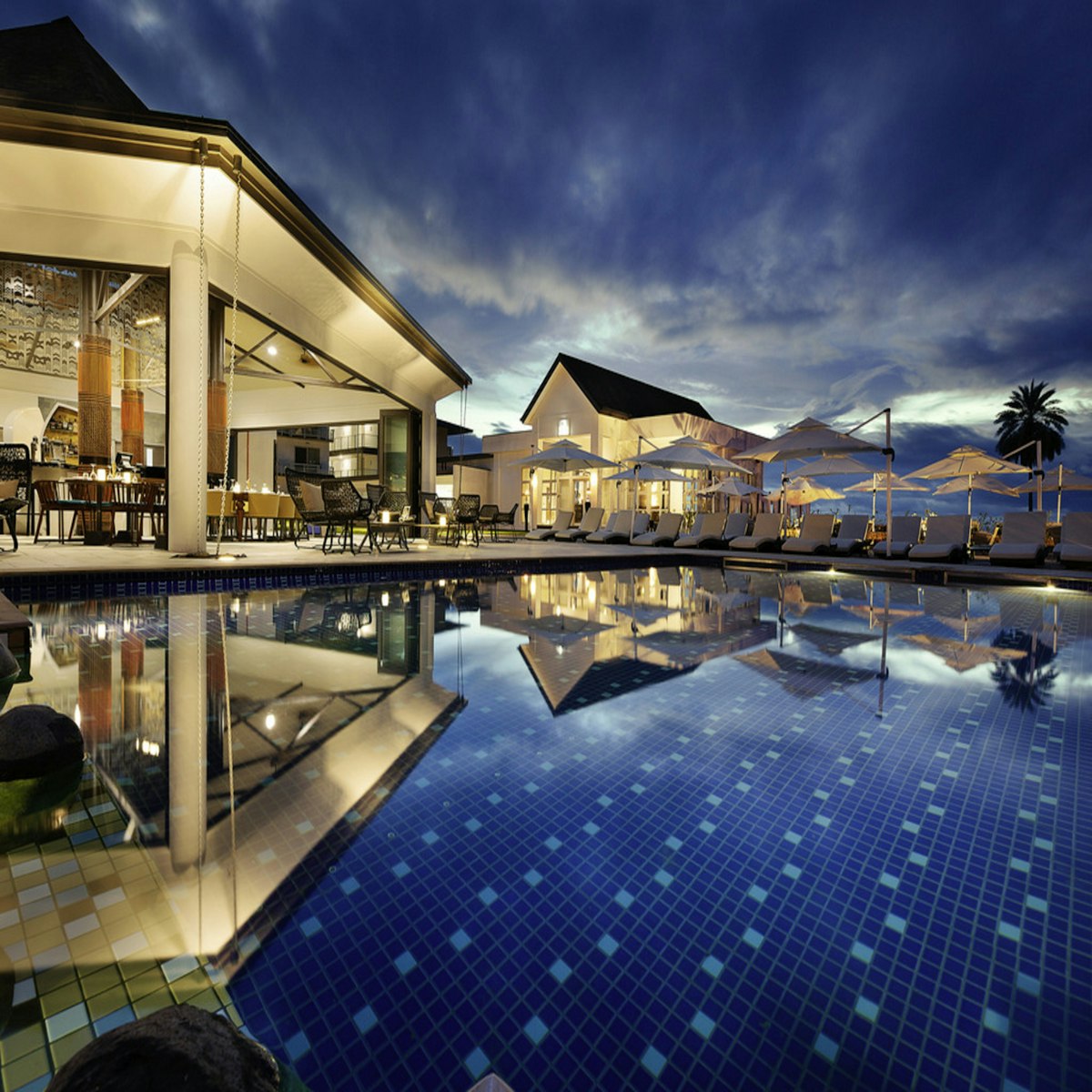
Abu Dhabi Real Estate Centre (ADREC) data for the first half of the year confirmed what our advisors were seeing on the ground through the previous two quarters: transaction value across the emirate came in near AED 63 billion for the six month period, up roughly 18% against the same window a year earlier. Al Maryah Island was a disproportionate contributor to that growth given its small land bank relative to Reem or Yas. Buyer appetite held even as global rate expectations shifted more than once during the period. What stood out to us was not the headline number but the composition underneath it: a rising share of transactions were cash purchases north of AED 3 million, concentrated in three districts. Al Maryah Island, Saadiyat Island, and Yas Bay accounted for close to 40% of that top tier of activity, a concentration that has been building steadily for a couple of years now.
Rental performance on Al Maryah Island held its trajectory through the period. Net yields on furnished, corporate-let apartments closed out in the 7.2% to 8.4% range, with occupancy sitting above 94% for what is now thirty consecutive months. That is an unusually long run for any single district in Abu Dhabi, and it reflects demand from relocating executives at First Abu Dhabi Bank, ADIB, and a growing cluster of asset managers setting up on the island rather than in Dubai's DIFC. We do not expect that occupancy figure to hold at this level forever. Some softening is normal as new supply from Jumeirah Residences Al Maryah Island comes fully online over the next year or two, but the underlying corporate leasing demand looks structurally different from the more cyclical demand patterns we track on Yas Island.
Branded residential launches on Al Maryah Island continued through the period. Entry pricing for a one bedroom apartment in the development sits between AED 3,000,000 and AED 5,000,000 depending on floor and view, a band that has moved up modestly since the initial launch phases. Larger three and four bedroom units, priced above AED 12 million, sold at a slower but still healthy pace, mostly to buyers using the purchase to qualify for the UAE Golden Visa, which requires a property purchase of at least AED 2,000,000. Construction progress on site has stayed close to the disclosed timeline, which matters more than it sounds: delivery slippage is the single most common complaint we hear from clients who bought off plan elsewhere in the region.
Saadiyat Island told a different story in this period, one built more around capital appreciation than yield. Net rental returns there settled in the 5.5% to 6.5% range, noticeably below Al Maryah's, but resale prices on villas near the Louvre Abu Dhabi and the cultural district climbed faster than anywhere else we track. Buyers on Saadiyat tend to be holding for the long term, often families rather than corporate tenants, and continued construction on the Zayed National Museum site keeps reinforcing the island's positioning as a heritage and lifestyle address rather than a rental income play. If your objective is yield in the near term, Saadiyat is not the right district. If it is a ten year hold with museum grade neighbors and steadier appreciation, the numbers there made more sense in this period than in prior years.
Yas Island remained the most demand elastic district in our tracking through the period, with net yields ranging from 6% to 7.5% depending heavily on proximity to Yas Bay and the short term rental mix in a given building. Yas benefits from Ferrari World, Warner Bros World, and the Yas Bay waterfront's restaurant and entertainment density, which supports strong weekend and holiday occupancy but also means income is more exposed to tourism cycles than Al Maryah's corporate-let base. A slow quarter for regional tourism, tied to broader travel pattern shifts, showed up in Yas occupancy data faster than it showed up anywhere else. Investors who want income smoothed across the year have generally gravitated to Al Maryah or Al Raha Beach instead, reserving Yas allocations for buyers comfortable with a more seasonal cash flow pattern.
Al Reem Island and Al Raha Beach both posted net yields in the 6% to 7% band for the period, and both illustrate a supply dynamic worth understanding before allocating capital there. Reem has the largest unit count of any district we cover, with towers across Shams, Marina Square, and City of Lights, and that scale keeps price competition real: landlords there compete on rent far more aggressively than owners on Al Maryah, where inventory is comparatively scarce. Al Raha Beach, smaller and more established, offers a steadier profile with less new supply pressure, but it also lacks the institutional tenant base that keeps Al Maryah occupancy so consistent. Neither district is a poor investment. They are simply a different risk and return proposition, more comparable to a diversified income portfolio than the concentrated, corporate anchored bet that Al Maryah represents.
None of this happens separate from Abu Dhabi's broader economy. Non-oil GDP growth has been the emirate's stated policy priority for years, and recent data continued to show non-oil sectors growing faster than the oil sector, a trend Mubadala and ADQ have both been explicit about supporting through continued investment in financial services, technology, and tourism infrastructure. Oil price moved in a wide band through the period, and while Abu Dhabi's fiscal position is far less sensitive to short-term oil swings than it was a decade ago, real estate sentiment among regional buyers still tracks oil headlines more than the underlying diversification data would justify. We would rather clients understand that psychological linkage exists than pretend it does not.
Financing conditions eased through the period as EIBOR moved down in step with US Federal Reserve rate cuts, a mechanical relationship that exists because of the dirham's peg to the dollar at 3.6725. Mortgage pricing for expat buyers, generally quoted as EIBOR plus a bank margin, came down from the highs of prior years, improving affordability for buyers financing rather than paying cash. That said, the majority of transactions on Al Maryah Island and Saadiyat Island are still cash purchases, which means falling rates support sentiment and transaction volume more than they directly reprice the highest end of the market. We cover the mortgage mechanics in more detail elsewhere, but the short version for this period is that financed buyers had a meaningfully easier run than they did previously.
Risk is not evenly distributed across this market and it is worth naming directly. Dubai's development pipeline remains far larger than Abu Dhabi's in absolute terms, with thousands of units delivered quarterly across Dubai South, Mohammed Bin Rashid City, and Jumeirah Village, and that scale gives Dubai more room to absorb a demand shock without the same price pressure Abu Dhabi's tighter supply base might see. Riyadh's property market is also opening to foreign buyers under Saudi Arabia's evolving ownership rules, which introduces a new regional competitor for the same pool of relocating capital, even though that framework is much earlier stage and less internationally tested than Abu Dhabi's. Any client weighing Abu Dhabi against these alternatives should treat supply pipeline and regulatory maturity as seriously as headline yield.
The Golden Visa remains one of the more durable demand drivers we track, and it does not appear to be losing relevance. A property purchase of AED 2,000,000 or more still qualifies a buyer for the ten year residency visa, and a meaningful share of the buyers we worked with in this period cited the visa as a primary motivation alongside yield. That motivation matters for how a district performs over time, because visa driven buyers tend to hold longer and care less about short-term price swings than purely speculative capital does.
Looking ahead, Further development is expected on Al Maryah Island alongside continued delivery on Saadiyat and Yas, and ADQ linked infrastructure spending is expected to keep supporting the broader Abu Dhabi growth story. We expect transaction volume to keep climbing over the coming year, though probably at a somewhat slower rate than the 18% growth logged in this period, simply because larger absolute numbers are harder to grow at the same percentage pace. Rental yields on Al Maryah Island may compress slightly as new supply from Jumeirah Residences reaches the market, though a move from 8% toward something closer to 7% would still leave the district ahead of every comparison point we track.
Our read heading forward is constructive but not uncritical. Al Maryah Island earned its premium through occupancy and yield data that held up across thirty months rather than through marketing claims, and that track record is the reason our advisors keep steering serious, income focused capital there first. But Abu Dhabi is not a market where every district deserves the same allocation, and clients who ignore the differences between Saadiyat's appreciation profile, Yas's tourism sensitivity, and Reem's supply competition are underwriting risks they may not have priced in. This period rewarded discipline and district specific thinking more than it rewarded blanket optimism about Abu Dhabi as a single market, and we expect that pattern to continue.